Ramadan 2027 in Morocco: date, dates, nuts and dried fruit
Ramadan 2027 in Morocco is expected to start around Monday, February 8, 2027 (Ramadan 1448), subject to the announcement by the Ministry of Habous and Islamic Affairs after the crescent is sighted. Here are the expected dates, then the month's table: dates, sellou, nuts and dried fruit, quantities and the right time to order in Casablanca.

Ramadan 2027 in Morocco: what date?
Ramadan 2027 in Morocco is expected to start around Monday, February 8, 2027, the first day of the month of Ramadan 1448 AH. This date is an astronomical estimate: the new moon occurs on Saturday, February 6, 2027 at 15:56 UTC, but the crescent will not be visible to the naked eye that evening anywhere from the United Kingdom to Morocco; it should be visible on the evening of Sunday, February 7, according to the forecasts of ICOUK, a British crescent-sighting organization. The timeanddate calendar also gives Monday, February 8 for Morocco, as a provisional date.
In Morocco, the official date is announced by the Ministry of Habous and Islamic Affairs on the evening of 29 Shaaban, once the crescent sighting is over. As of mid-November 2026, the ministry has announced nothing yet for 2027, and the first day may shift by one day: only its official statement settles it.
Laylat al-Qadr and Eid al-Fitr 2027: the expected dates
In Morocco, Laylat al-Qadr 2027 is expected around the night of Friday, March 5 into Saturday, March 6, and Eid al-Fitr around Wednesday, March 10, 2027, both astronomical estimates. Laylat al-Qadr follows from a first day on February 8 and shifts with it; Eid, for its part, depends on the sighting of the Shawwal crescent on the evening of 29 Ramadan.
The exact date of Laylat al-Qadr is not fixed: it is sought in the last ten nights of the month, and the 27th night, the one that begins on the evening of the 26th day, is the most widely observed in Morocco (Morocco World News, March 2026). In 2026, the official Laylat al-Qadr vigil in Rabat was announced for Monday, 26 Ramadan 1447, that is, March 16 (MAP).
For Eid, the new moon of Shawwal occurs on Monday, March 8, 2027 at 9:29 UTC and may not be visible that same evening: the month would then have 30 days, hence Wednesday, March 10, the date given by ICOUK and by timeanddate. The Egyptian projection, for its part, assumes a 29-day month and Eid on Tuesday, March 9 (La Presse de Tunisie, October 2026): that is a date for Egypt, and an unlikely one in Morocco, where the crescent must be seen with the naked eye.
Why does Morocco often start a day after Saudi Arabia?
Morocco often starts Ramadan a day after Saudi Arabia and the countries that follow its announcement, because Morocco sets each lunar month by sighting the crescent with the naked eye, from its own territory. The Ministry of Habous relies on at least 270 official observation points, joined by units of the Royal Armed Forces (Morocco World News, February 2026).
The timeanddate calendars show it: from 2021 to 2026, Morocco started a day after Saudi Arabia in five years out of six, and on the same day in 2023. In 2026, Saudi Arabia started on Wednesday, February 18; Morocco sighted the crescent that evening and started on Thursday, February 19. For 2027, these calendars place both countries on Monday, February 8, as provisional dates: a one-day gap is still possible.
What can you eat during Ramadan?
During Ramadan, people eat between sunset and dawn: ftour breaks the fast at sunset, and shour, or sahur, is taken just before dawn. Every household sets its own table; in Morocco, a few habits come up often.
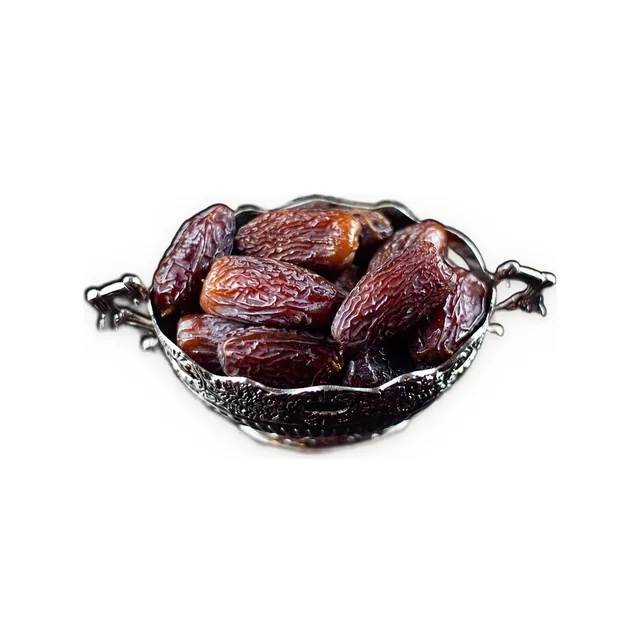
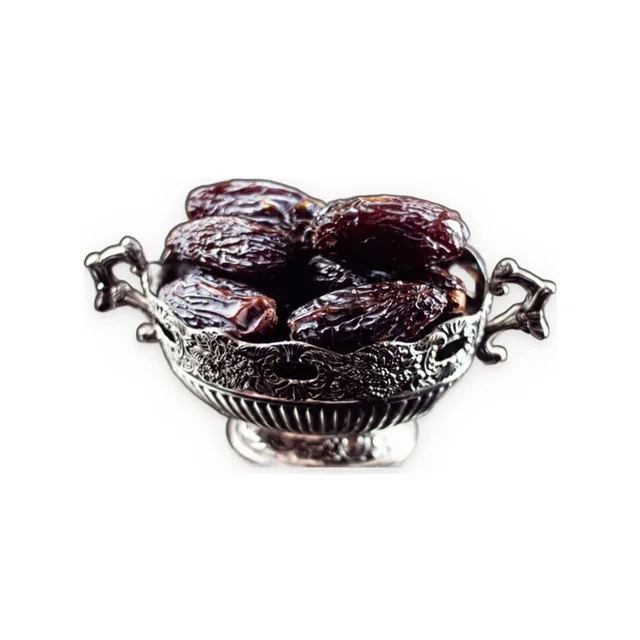
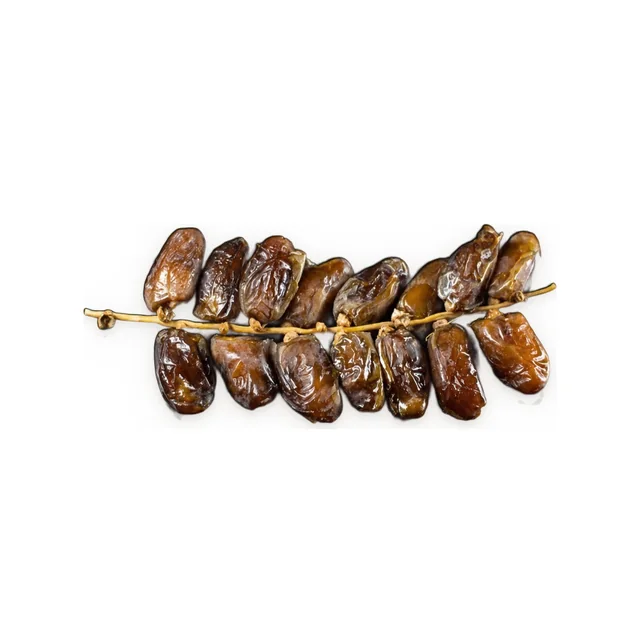
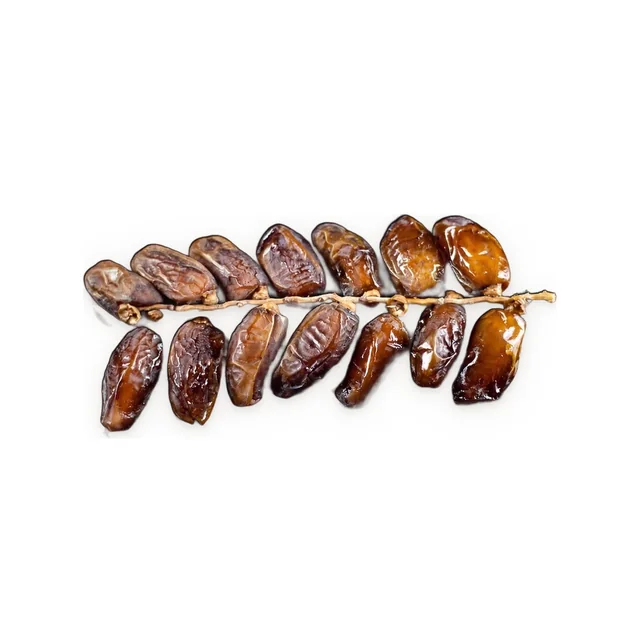
Dates (tmer) hold a central place when the fast is broken: Large Medjool dates, Sukari dates or Tunisian dates on the branch. Harira is made every day, and chebakia, a sesame and honey pastry, often comes with it. Sellou, a mix of toasted flour, almonds and sesame, is also served when the fast is broken. Later in the evening comes fakia, which we spell fakya: nuts and dried fruit set out by the tea, for family and guests.
See the Ramadan selectionMedjool, Ajwa, Sukari: which date to choose?
Ramadan dates, nuts and dried fruit: how much for the month?
For Ramadan dates, a common benchmark is two to three dates per person per ftour, or 240 to 360 dates over 30 evenings for a household of four. These figures are common benchmarks, not rules.
By weight, it all depends on size: a Medjool weighs about 24 g without the pit, a small Deglet Nour-type date about 7 g (USDA FoodData Central). The month's 240 to 360 dates therefore come to about 6 to 9 kg of Medjool, or 2 to 3 kg of small dates. You don't have to choose: Algerian dates on the branch for every day, Large Medjool dates for the evenings when you have guests. On our site, as of mid-November 2026, dates range from 50 MAD per kilo (Tunisian dates on the branch, Sukari dates) to 180 MAD per kilo (Jumbo Medjool dates, Ajwa dates).
For sellou, an equal-parts batch calls for 1 kg of almonds, 1 kg of sesame and 1 kg of flour, enough to last a family the month according to the Taste of Maroc recipe: at our shop, Standard almonds and White sesame. For chebakia, the same source counts about 200 g of sesame in the dough for 2 kg of pastries, plus the sesame for decorating. For fakya, a common benchmark is 80 to 120 g per person for a long Ramadan evening.
How much fakya per guest?Sellou ingredients and proportions
When should you order dates, nuts and dried fruit for Ramadan 2027?
The right time to order dates, nuts and dried fruit for Ramadan 2027 is between late January and the first days of February, before a first day expected around Monday, February 8. As the month approaches, Moroccan souks and markets get especially busy as households stock up (Hespress, March 2025): better not to wait until the last evening.
Start with almonds, sesame and spices, Anise and Ground cinnamon: sellou and chebakia are made ahead, about a week before Ramadan in the example Taste of Maroc gives, in quantities for the whole month. Dates and fakya can follow in the days before the first ftour, then be reordered during the month, for example before Laylat al-Qadr and Eid.
Dates, nuts and dried fruit delivered in Casablanca: how do you order?
Maison Fakya delivers dates, nuts, dried fruit, spices and seeds to all sixteen districts of Casablanca, and delivery is free in Casablanca. Dates, nuts and dried fruit are ordered by weight, in 250 g, 500 g or 1 kg, on the site or on WhatsApp at +212 6 21 49 83 90: just send your list. You pay on delivery, in cash or by card, or by bank transfer.
For hosting or for gifts, fakya platters are made to order: ask for them on WhatsApp. Our counter is in Casablanca. Outside Casablanca, contact us on WhatsApp.
Delivery in CasablancaOrder the Ramadan selection