Amlou: the recipe with almonds, argan oil and honey
Amlou is the spread of the Souss, made from roasted almonds, argan oil and honey. Two published sets of proportions, the steps in brief, and the almonds to choose to make it at home.
What is Moroccan amlou?
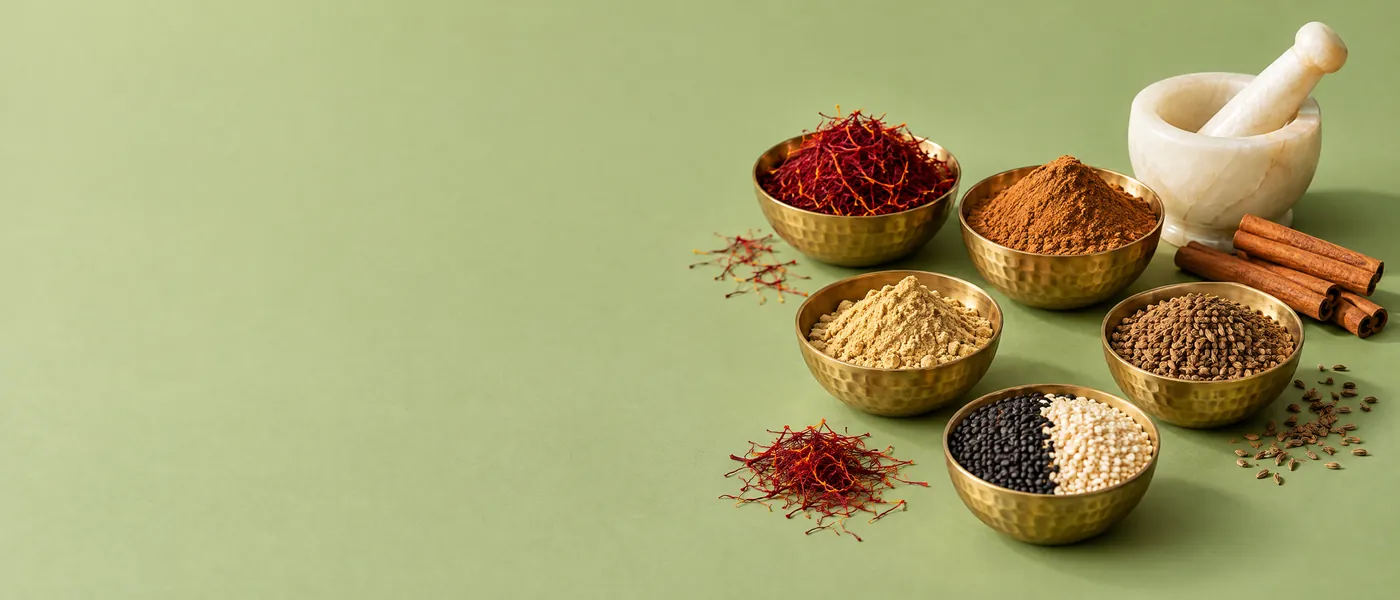
Amlou (written two ways in Arabic, with or without the hamza on its first letter) is a spread from the Souss, in southwestern Morocco, made from roasted almonds, argan oil and honey. The Encyclopédie berbère (Berber Encyclopedia) described it as early as 1989, under the spelling amalu: almonds that are roasted, then ground and kneaded with honey and argan oil.
Amlou comes from the land of the argan tree, a species UNESCO describes as endemic to the Arganeraie Biosphere Reserve, in southwestern Morocco; the know-how linked to argan has been on its Representative List of the Intangible Cultural Heritage since 2014. In a March 2026 dispatch, the MAP news agency presents amlou as one of the most famous flavors of the culinary heritage of Souss-Massa, offered to visitors as a sign of welcome.
Amlou ingredients and two sets of proportions
Amlou has three ingredients: roasted almonds, argan oil and honey, in a ratio, as a guide, of 250 g of almonds to 80 to 120 ml of argan oil. Proportions change from one household to the next; here are two published benchmarks, not rules.
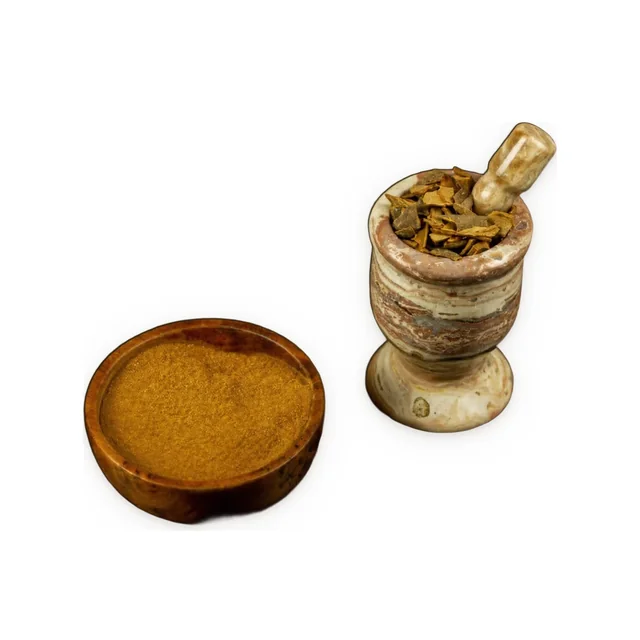
For a thick amlou, for spreading: 250 g of roasted almonds with their skins, 80 ml of argan oil, 80 ml of honey and half a teaspoon of flaky salt, for about 400 ml (Nargisse Benkabbou, My Moroccan Food). With 120 ml of oil, the amlou turns runnier, as in the tradition. The author suggests, as an option, a generous pinch of Ground cinnamon, noting that traditional amlou contains none, and no salt either.
For a runnier, less sweet amlou: 8 ounces of almonds (about 225 g), half a cup of argan oil (about 120 ml), 2 tablespoons of honey and fine salt (Jeff Koehler, The North African Cookbook, recipe published by Saveur). The author reminds readers to choose a culinary argan oil, since argan oil is often sold as a beauty product; failing that, he suggests walnut oil or extra virgin olive oil.
The amlou recipe, step by step
The amlou recipe comes down to four steps: roast the almonds, grind them very finely, add the argan oil a little at a time, then add the honey. Khadija Oubla, head of the Fermes Vertes women's cooperative, sets them out this way for MAP (March 2026): the almonds are sorted and cleaned, roasted over low heat until golden, then, once cooled, finely ground into a smooth, even paste. The argan oil is worked in gradually, stirring constantly, and the honey comes last, measured to taste.
At home, a food processor takes the place of the millstone: blend the cooled almonds to a very fine powder, drizzle in the oil in a thin stream, then the honey, and taste before adding more. An amlou that is too thick loosens with a little oil.
Which almonds for amlou, and how do you roast them?
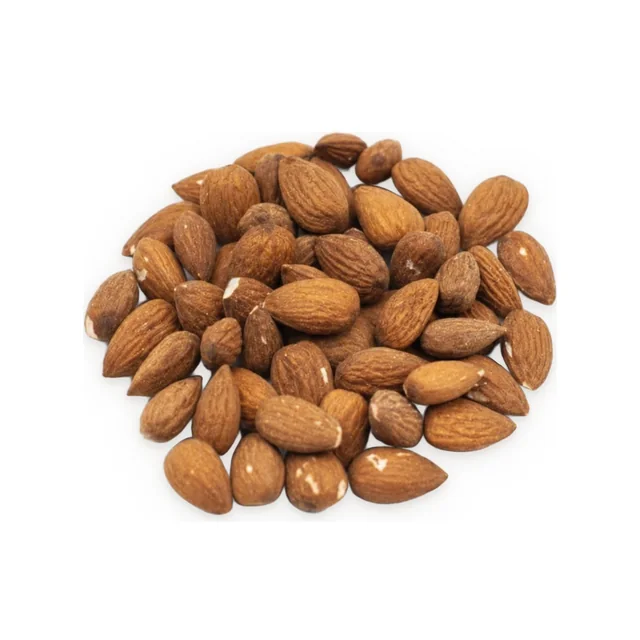
The almonds for amlou are plain, whole almonds, with no salt and no coating, roasted and then left to cool before grinding. At Maison Fakya, two almonds fit the bill: Standard almonds, whole with their skins, at 110 MAD per kilo, and Forna almonds from Meknes, at 140 MAD per kilo (prices as of November 13, 2026). The 250 g size, the quantity in the first benchmark, costs 30 MAD in standard almonds and 40 MAD in Forna.
To roast them, Jeff Koehler gives an oven at 350 °F (about 175 °C), 10 to 15 minutes on a baking sheet shaken from time to time, until the almonds are well browned and crunchy.
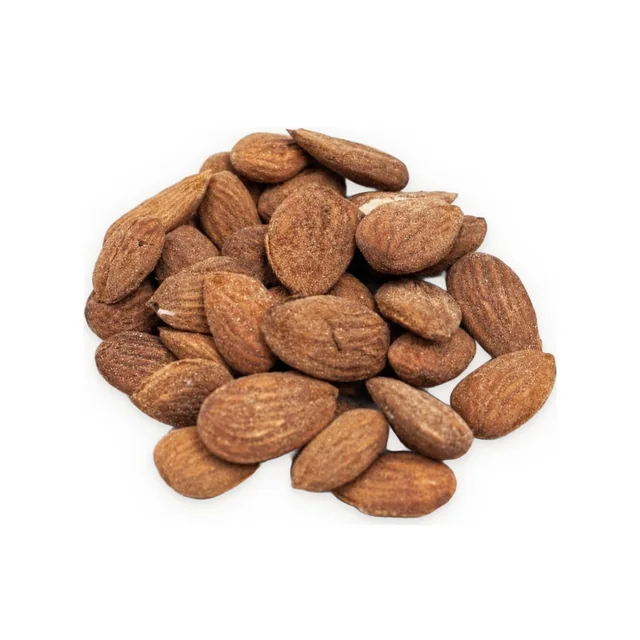
Our Roasted almonds (140 MAD per kilo), already roasted, are better served with tea: for amlou, start from plain almonds and roast them yourself. The coated almonds in our Almonds collection (cinnamon, quinoa, wasabi) are best kept for tea. Maison Fakya supplies the almonds; argan oil and honey are not part of our online shop.
Peanut amlou, the budget version
Peanut amlou is a well-known variant of amlou, in which peanuts replace the almonds for a more affordable version, as Le Courrier de l'Atlas wrote in May 2018. This variant is also sold ready-made in stores: in November 2026, the Marjane Mall website listed a peanut amlou beldi in a 320 g jar. The principle stays the same, only the nut changes: plain, roasted peanuts. The peanuts in our Savory snacks range are coated (strawberry, caramel): they are not suitable for amlou.
How much does amlou cost?
The price of almond amlou is, as an example, 140 MAD for a 370 ml jar and 225 MAD for a 720 ml jar from the Afoulki cooperative, as listed on Marjane Mall in November 2026; these are not Maison Fakya prices, and amlou is not in our catalog. Homemade, the price of amlou depends on three purchases: almonds, argan oil and honey. The almond share is quick to work out: 30 MAD for 250 g of Standard almonds, 55 MAD for 500 g and 110 MAD for the kilo, as of November 13, 2026.
Nut and dried fruit prices in Casablanca
How do you store amlou?
Amlou keeps in a closed jar, somewhere dry and cool, and is stirred before each serving, as Morocco World News advises. Published storage times vary by recipe: up to a week in the refrigerator, well covered, according to Jeff Koehler; up to a month in the refrigerator according to Milk Street, whose version uses olive oil and which advises letting the amlou come back to room temperature before serving. When in doubt, make small batches and serve yourself with a clean, dry spoon. The almonds themselves keep in an airtight container, somewhere cool and away from light, and are roasted at the last moment.
What do you serve amlou with?
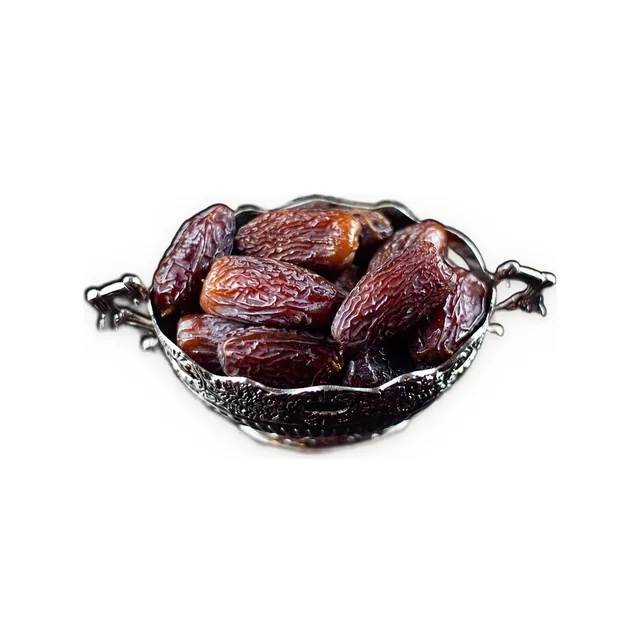
Amlou is served at breakfast or as an afternoon snack, with bread, msemen (flaky griddle bread) or baghrir (semolina pancakes), and mint tea. In the Souss, during Ramadan, amlou goes with the traditional tafarnout bread, msemen or baghrir, and comes among the first dishes of ftour (the meal that breaks the fast), after the dates; it is also served to guests with tea at evening gatherings, and as a filling for pastries (MAP, March 2026). For the table, set a small bowl of Dates and a few whole almonds beside it. Another almond preparation of the Ramadan table: sellou.