Storing nuts and dried fruit: keep the crunch, keep the softness
Air, heat, light, moisture: the enemies of fakya. Approximate storage times and good habits for keeping nuts, dried fruit, dates, spices and seeds, even in Casablanca's humidity.
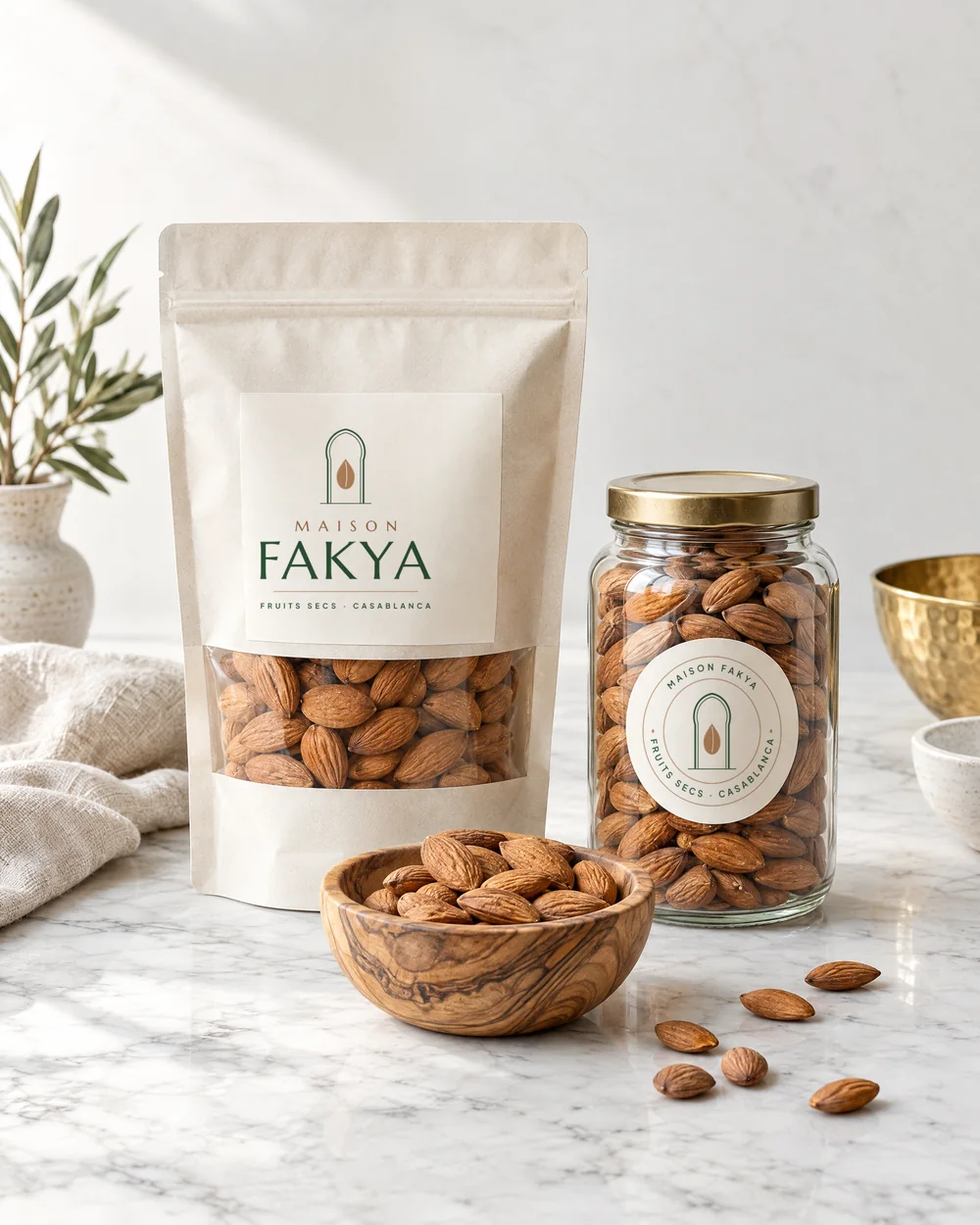
The four enemies of fakya
Air first: oxygen turns the oils in nuts rancid. Heat speeds everything up, from rancidity to drying out. Light damages fats and makes spices fade. Moisture, finally, softens nuts, makes dried fruit sticky and encourages mold; in Casablanca, a coastal city, it is often enemy number one. Add odors to the list: nuts easily absorb those of the cupboard or the fridge. The good news: a few simple habits are enough to keep fakya in good shape for weeks, even months.
Nuts: keep them cool
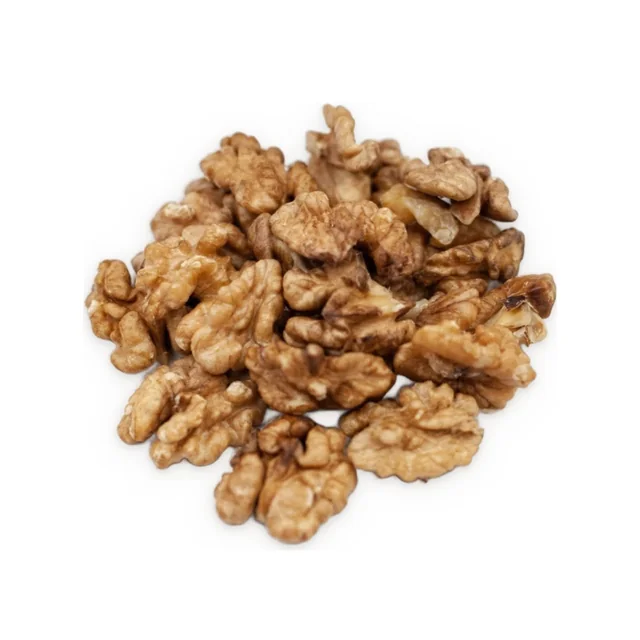
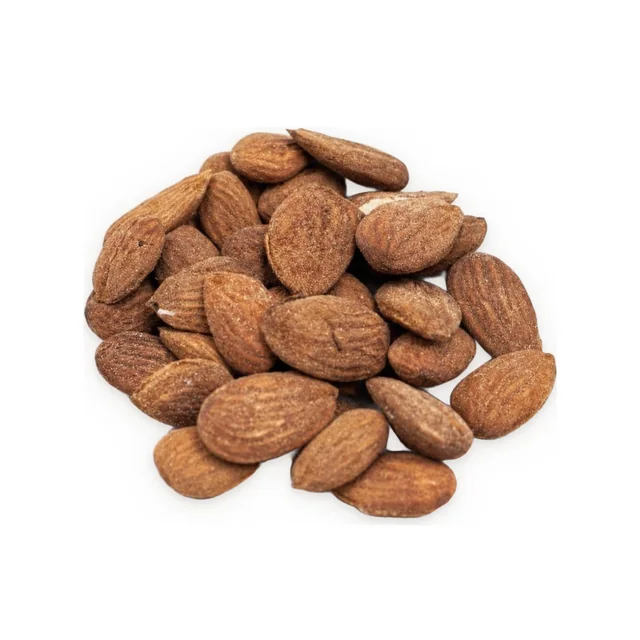
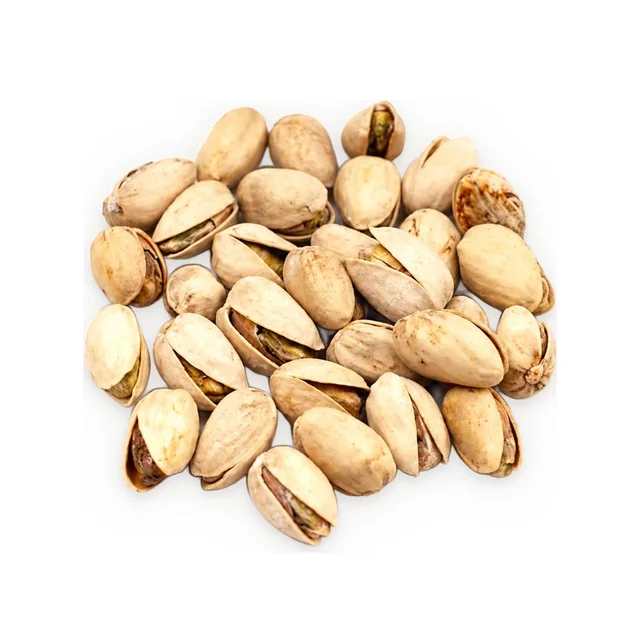
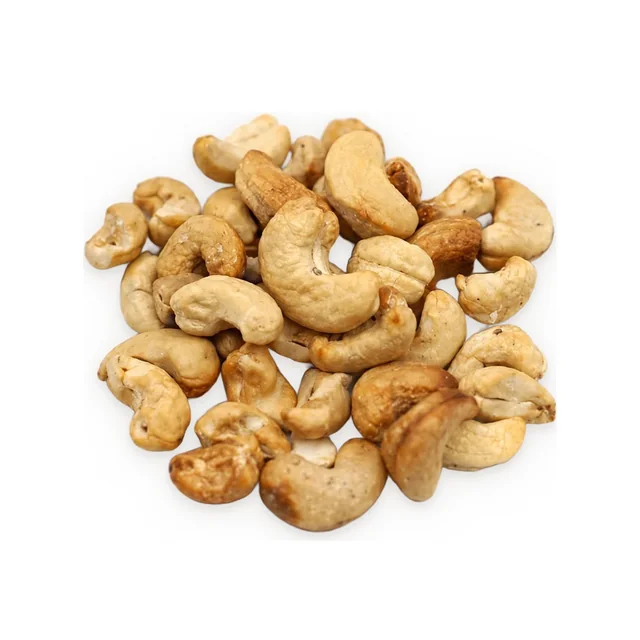
Walnuts, almonds, pistachios, cashews and pecans are rich in oils. According to the University of California, nuts keep their quality for a few months at room temperature, less when it is hot, about a year in the fridge at 4°C or below, and up to two years in the freezer. Walnuts and pecans are the most fragile: into the fridge as soon as summer arrives. Use clean, dry, tightly closed containers, in glass or food-grade plastic; in the freezer, divide them into small portions so you only take out what you need. A rancid nut is not dangerous, but its acrid taste spoils a whole bowl: a smell of stale oil or paint is a sure sign.
Dried fruit: keep it dry
Apricots, figs, raisins, mango or papaya fear moisture above all. According to the National Center for Home Food Preservation, most dried fruit keeps for about a year at 16°C and six months at 27°C, in airtight containers, in a dry, dark place. Glass has one advantage: you can see right away if moisture forms inside. In hot, humid weather, the fridge keeps dried fruit supple longer. On figs and dates, a white, powdery bloom is often the fruit's own sugar crystallizing; fuzz, green spots or a moldy smell, on the other hand, signal mold: in that case, throw it out.
Dates: the soft ones go in the fridge
Soft dates (Medjool, Ajwa or Sukari) keep in the fridge in an airtight container, where they last much longer than at room temperature. Branch dates, which are firmer, are fine in a cool, dry place. For large stocks, for example before Ramadan, the freezer works very well, and they thaw in a few minutes. A sour smell means a date is fermenting. For a festive platter, take out only the amount you will serve. Do it fifteen minutes ahead so the dates get their softness back.
Spices and seeds
A ground spice loses its aroma within a few months; whole, it keeps it much longer. Store your spices in small, tightly closed jars, away from the stove and the window, and note the purchase date. Grinding at the last moment, in a small grinder, always gives more aroma. Saffron keeps in a small airtight box, in metal or tinted glass, in a dry, dark place. Sesame seeds, rich in oil, go rancid like nuts: into the fridge in summer.
After the party
Sort what is left on a platter by family before putting it away: nuts together, dried fruit together, dates separately. Mixes keep less well, because dried fruit passes its moisture to the nuts, which go soft. Dates go back in the fridge, and coated nuts go into a separate, tightly closed jar.
Good everyday habits
Buy quantities that match how much you eat, and keep a small jar for the table and the rest in reserve. Always close the bag or jar after serving, and use a clean, dry spoon. Do not mix an old leftover with a new purchase. When you take a jar out of the fridge, let it come back to room temperature before opening it, to avoid condensation. Keep savory snacks and coated nuts separate, since moisture softens them faster. Finally, label your jars: the product name and the purchase date are enough.